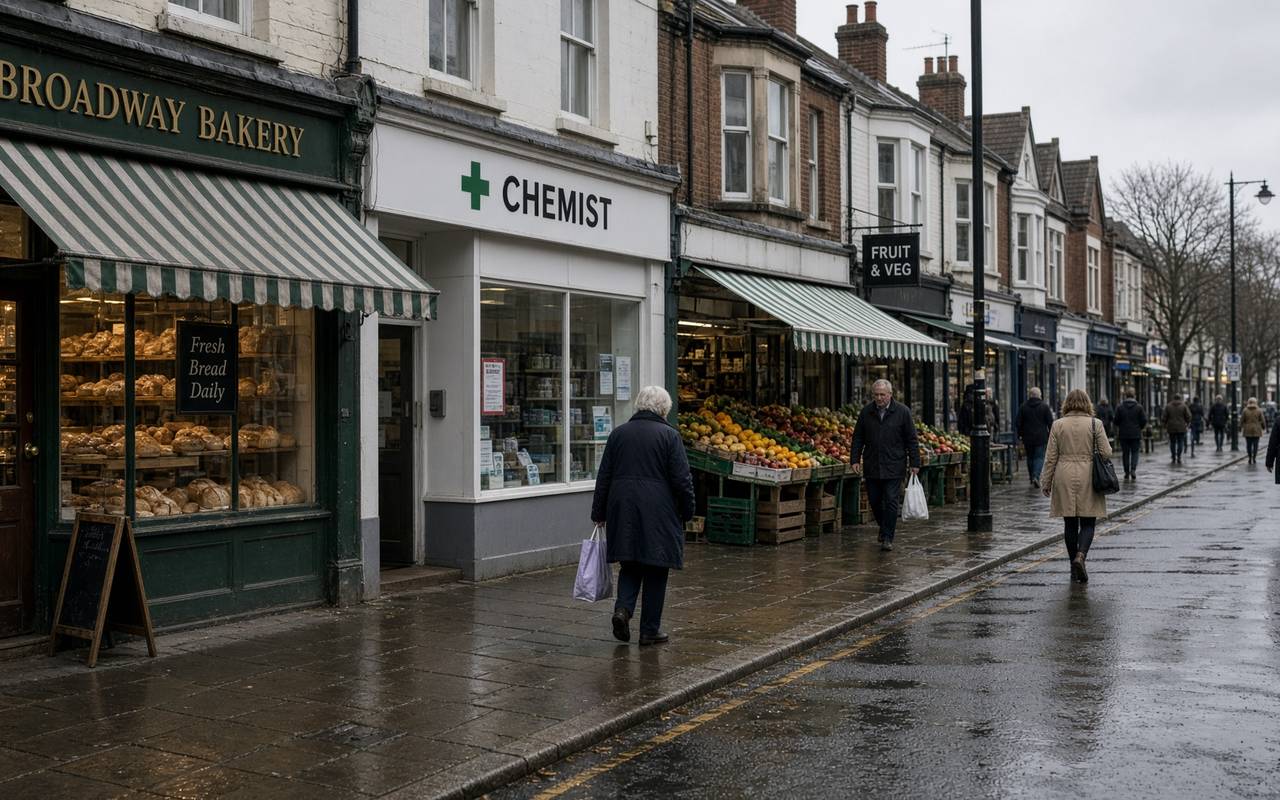
Four regulated household charges sit under almost every English roof in 2026: energy, council tax, water and the TV licence. Typical dual-fuel energy on Direct Debit is around £1,723 a year for the October to December 2026 price cap period (Ofgem, using the new typical-use assumptions). Average Band D council tax in England for 2026/27 is £2,392. Water and sewerage in England and Wales averages about £639 a year. A colour TV licence is £180. That cluster alone is roughly £400 a month before rent, food or a phone.
Your property will not be typical. A small flat on electric storage heaters is a different animal from a three-bed terrace with gas. The cap is a unit-rate ceiling on a default tariff, not a promise about your bill.
Council tax, without the folklore
Bills are set by the local authority and the band of the property. Birmingham City Council publishes the 2026/27 charges by band; a Band A home pays a smaller share than Band D. Two working facts that change budgets:
- Instalments are often ten, not twelve. A £2,000 annual bill is about £200 a month from April to January, then two quiet months if you do not save the gap.
- A single occupier usually gets 25% off. Full-time students in a student-only household pay nothing. Council tax reduction schemes exist for low income; they are local, so check Birmingham’s pages rather than a national average.
If you have just moved, do not wait for the first bill to be surprised. Look up the band on GOV.UK and the authority’s instalment calendar the week you get the keys.
Energy: cap, meter, payment method
Ofgem’s price cap changes every quarter. Direct Debit is usually cheaper than standard credit. Prepayment has its own cap. Standing charges accrue even if you are away. The practical budget move is to pay by Direct Debit on a figure close to last winter’s average, then read the meter. A credit balance is a loan to the supplier; a debit balance is a bill you have not named yet.
Turning the thermostat down a degree is a real saving. So is bleeding radiators, using the timer, and not heating empty rooms. Switching still matters when the cap is not the cheapest tariff on the market, but switching into a poor fixed deal is how people get stuck. Compare the exit fee and the end date before you move.

Water, broadband, mobile, TV
Water is regional. In the West Midlands you are generally on Severn Trent; the average is a planning figure, your occupancy and meter status decide the bill. Unmetered charges can be worth checking if the household is small.
Broadband and mobile are the bills people forget to renegotiate. Mid-contract price rises are now often a fixed pounds-and-pence amount rather than a percentage of CPI. Diary the renewal date. A SIM-only plan and a vanilla fibre tariff usually beat a bundled “entertainment” package you do not watch.
If you watch or record live TV, or BBC iPlayer, you need a licence. If you do not, you do not. Budget honestly.
Direct Debit as a planning tool
A standing order is you pushing money. A Direct Debit is the company pulling it. Both have a place. For rent, a standing order on payday keeps you in control. For energy and council tax, Direct Debit is usually cheaper and protects you from a forgotten payment. The budget risk is a pile of variable Direct Debits that jump in winter. Keep a one-line list of every mandate, the usual amount, and the day it leaves. That list is more valuable than a colourful app.
Annual bills — car insurance, boiler cover, domain names, professional memberships — should have a sinking fund. Divide the last invoice by twelve and move that amount every payday. Then the renewal is boring, which is the goal.